


-
 Electrical Panel Upgrades
-
 0 Comments
How to Safely Troubleshoot a Tripping Breaker in 5 Easy Steps
Step 1: Turn Off and Unplug All Devices on the Circuit
Before you investigate a tripping breaker, the first action you must take is to turn off the breaker that keeps tripping and unplug every device connected to that circuit. This includes lamps, phone chargers, space heaters, kitchen appliances, and anything else drawing power from outlets on that circuit. If you skip this step, you risk resetting the breaker while an overloaded or faulty appliance is still connected, which can trip the breaker again immediately or, worse, cause an electrical fire.
In St. Marys, many older homes built before stricter electrical codes were adopted still operate on 15-amp circuits in kitchens and living areas. These circuits were never designed to handle the simultaneous load of a microwave, coffee maker, and toaster. During colder months, when space heaters are common, the demand on a single circuit can easily exceed its capacity. By unplugging everything, you isolate the circuit and give yourself a clean slate to test whether the breaker itself is faulty or whether the problem lies with a specific device.
Once everything is unplugged, flip the breaker back to the ON position. If it stays on, the issue is likely an overload caused by too many devices running at once. If the breaker trips immediately even with nothing connected, the problem may be a short circuit, ground fault, or a defective breaker, and you should contact a licensed electrical repair service before proceeding further.
Step 2: Inspect the Breaker Panel for Visible Damage
After you have unplugged all devices and reset the breaker, take a few moments to inspect the breaker panel itself. Open the panel door and look closely at the breaker that has been tripping. Check for any signs of physical damage such as scorch marks, discoloration, a burning smell, or melted plastic around the breaker or bus bar. These are clear indicators of overheating or arcing, both of which pose serious fire hazards and require immediate attention from a qualified electrical contractor.
Also examine the breaker’s toggle switch. A breaker that has tripped multiple times may have a loose or worn toggle that does not stay firmly in the ON or OFF position. In Pennsylvania’s humid summers, moisture can sometimes infiltrate older panels, especially in basements or crawl spaces, leading to corrosion on breaker contacts. If you notice any rust, moisture, or unusual wear inside the panel, do not attempt to clean or repair it yourself.
If the breaker looks intact and the panel shows no visible damage, the issue may be intermittent or related to the wiring downstream. However, if you see any of the warning signs mentioned above, stop immediately and call a licensed electrician. Electrical panels are not DIY-friendly, and attempting repairs without proper training can result in electrocution or property damage. Professional electrical installation services can assess whether the breaker needs replacement or if the panel itself requires an upgrade to meet current safety standards.
Step 3: Test Individual Devices to Isolate the Problem
Once the breaker has been reset and is staying on with no load, it is time to identify which device or appliance is causing the problem. Begin by plugging in and turning on one device at a time, waiting a minute or two between each to see if the breaker trips. Start with smaller loads like lamps or phone chargers, then move on to higher-draw appliances such as microwaves, hair dryers, or power tools.
This process helps you pinpoint whether a single faulty device is tripping the breaker or whether the circuit is simply overloaded. If the breaker trips as soon as you plug in a specific appliance, that device likely has an internal short or ground fault and should be unplugged immediately and inspected or replaced. Do not continue using an appliance that repeatedly trips a breaker, as this can damage your electrical system and create a fire risk.
In older homes common throughout the St. Marys area, you may find that even modest loads cause a trip because the wiring or breaker sizing has not been updated since the home was built. For example, a 15-amp breaker serving a bathroom where someone uses a 1,500-watt hair dryer while the lights and exhaust fan are running can easily exceed capacity. If you determine that the circuit is overloaded rather than faulty, consider redistributing your devices to other circuits or scheduling an electrical panel upgrade to add capacity and improve safety.
If the breaker continues to trip even when only one low-wattage device is connected, or if it trips randomly with no devices plugged in, the issue is likely in the wiring or the breaker itself, and professional diagnostics are necessary.
Understanding Circuit Breaker Basics
If your testing reveals that no single appliance is causing the trip, the next step is to examine the outlets and switches on the affected circuit. Turn off the breaker again and use a flashlight to inspect each outlet and switch for signs of damage, such as blackened or melted plastic, loose cover plates, or a burnt smell. These are symptoms of loose wiring, which can cause arcing and intermittent breaker trips.
Loose or improperly secured wire connections inside an outlet box are a common culprit, particularly in homes where outlets have been replaced or added over the years without professional oversight. In some cases, a wire may have come loose from its terminal screw, or the outlet itself may be worn out and no longer making solid contact. Do not remove outlet covers or touch any wiring unless you are trained and confident in working safely with electrical systems. Even with the breaker off, other circuits in the panel may still be live.
Another issue to watch for is backstabbed wiring, a shortcut method used in some older installations where wires are pushed into the back of an outlet rather than secured under screw terminals. These connections can loosen over time and create resistance, heat, and eventual failure. If you suspect wiring issues but are not comfortable inspecting or repairing them yourself, contact a licensed electrical contractor. Professional electrical repair services have the tools and expertise to safely diagnose and correct wiring faults, ensuring your home’s electrical system operates reliably and within code.
Do not ignore recurring trips. What starts as a minor inconvenience can escalate into a dangerous situation if left unaddressed. When in doubt, always err on the side of caution and seek professional help.
Step 2: Unplug Devices and Identify the Overload
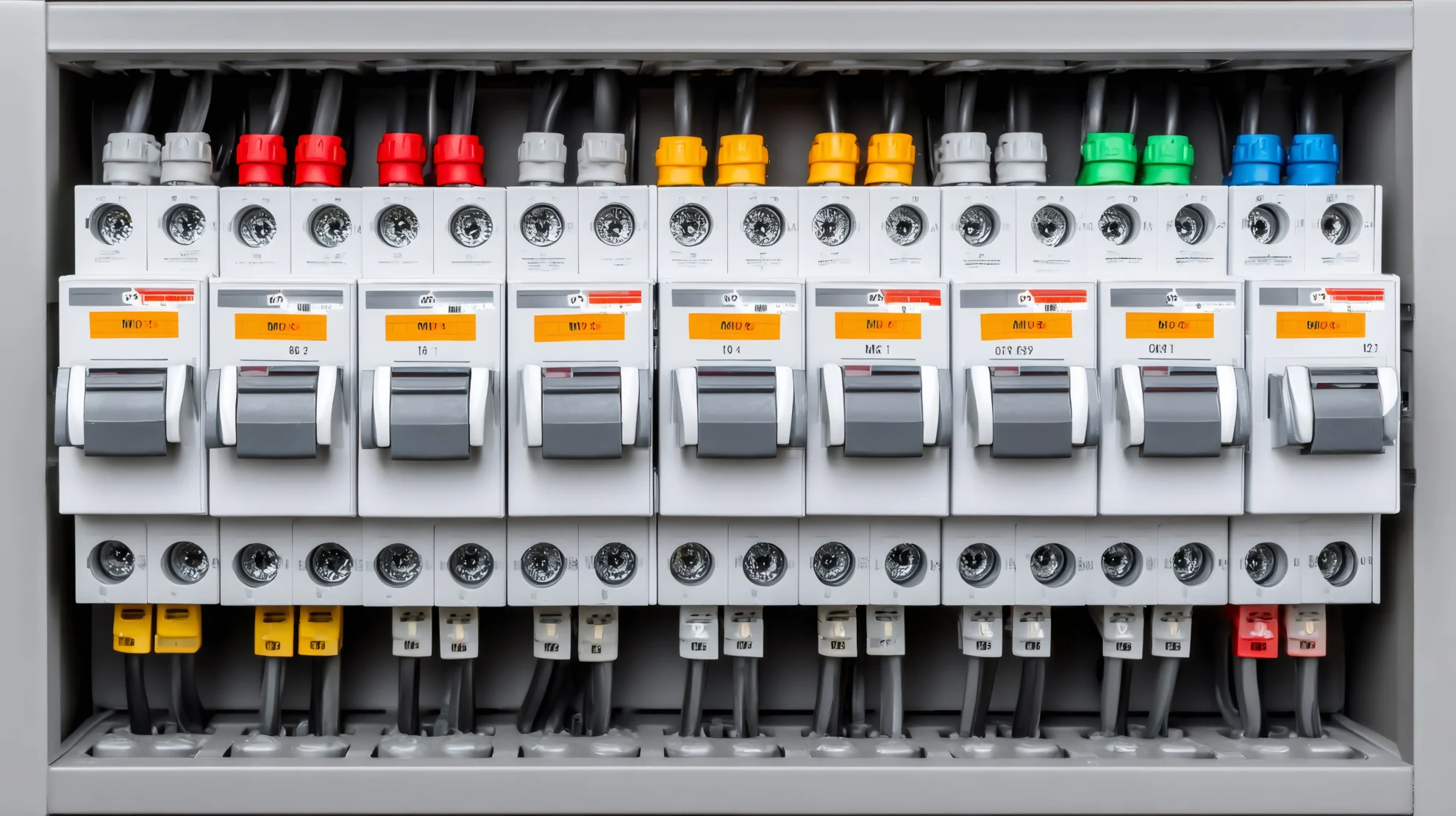
Before attempting any troubleshooting, it is essential to understand what a circuit breaker does and why it trips. Circuit breakers serve as safety devices designed to protect your home’s electrical system from overloads, short circuits, and ground faults. When excessive current flows through a circuit, the breaker automatically cuts power to prevent overheating, electrical fires, and damage to appliances.
A tripped breaker typically moves to a middle position between ‘on’ and ‘off,’ or fully switches to the ‘off’ position depending on the panel type. Common causes include overloaded circuits (too many devices drawing power simultaneously), short circuits (when hot and neutral wires touch), ground faults (current escaping to ground), or failing appliances drawing abnormal current.
Begin by locating your electrical panel, usually found in basements, utility rooms, garages, or exterior walls. Open the panel door and visually inspect the breaker switches. The tripped breaker will appear out of alignment with others or will be in the ‘off’ position.
To reset the breaker, first turn it fully to the ‘off’ position, then firmly push it to the ‘on’ position until you hear or feel it click into place. If the breaker trips immediately upon resetting, do not continue attempting to reset it, this indicates a serious electrical problem requiring professional intervention from qualified electrical repair services.
